Print on Demand vs Dropshipping for Beginners: Costs, Margins, Risks
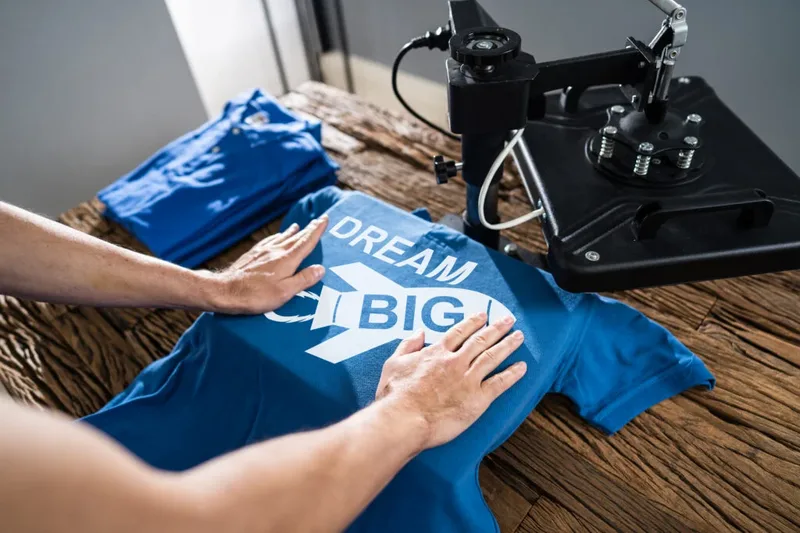
Print on demand and dropshipping both promise the same dream: sell products online without buying inventory first. They get there by opposite routes. One sells your designs on products printed per order; the other resells existing products that a supplier ships for you. This guide compares the real 2026 startup costs, margins, shipping speeds and risks, so you can pick the model that matches your skills and your budget.
The two models in one paragraph each
Print on demand (POD): you upload a design, list it on a shirt, mug or poster, and a provider like Printify or Printful prints and ships it only when a customer orders. You never touch stock. Your design is the product. Dropshipping: you list a product that already exists; a customer buys it; your supplier ships it to them. Your skill is finding products people want and getting buyers to your listing. Same "no inventory" label — completely different daily work.
Startup costs, honestly
POD is the cheap start: roughly $0–$200. A Printify or Printful account is free, design tools are free or cheap (Canva), an Etsy listing costs $0.20 per listing, an optional Shopify store runs about $39/mo, and the one expense worth planning is optional product samples at $20–$30 each, so you can check print quality yourself. Dropshipping realistically needs $500–$2,000+ before you know whether a product sells: the store (~$39/mo), product testing ($50–$200), ad testing ($200–$1,000+ — the big one), and tools at $30–$100/mo. The gap is structural: POD traffic can grow on designs and search, while dropshipping usually pays for its traffic from day one.
Margins: where the money actually goes
Printify's 2026 comparisons put average net margins at roughly 20–50% for POD versus 15–20% for dropshipping. The per-unit math explains why. A POD product's cost runs 35–55% of its retail price, while a dropshipped product's cost runs only 18–30% — so dropshipping looks cheaper per unit. But dropshipping then pays for ads (often 30–50% of revenue) and absorbs refund rates of 5–8%, which eats the advantage. POD's counterweight: a design nobody else has can command a premium price instead of competing on pennies.
The $35 t-shirt test
Sell a t-shirt for $35 both ways. Dropshipped: roughly $7 for the product plus $4 shipping — $11 of costs, leaving $24 before ads, platform fees and refunds. Print on demand: roughly $14 production plus $4.50 shipping — $18.50 of costs, leaving $16.50 before fees. At the same price, POD nets less per sale. That is the honest trade. What POD buys with that margin is exclusivity — your design cannot be undercut by fifty sellers of the identical item — plus the option to price the shirt at $40 because it exists nowhere else. Which side of the trade wins depends on whether you are better at making designs or at finding and advertising products.
Shipping speeds and marketplace rules
POD from US providers typically delivers in about 3–10 days. Dropshipping ranges from 2 to 25+ days depending on the supplier — and US marketplaces now punish the slow end: TikTok Shop US requires orders to be in transit within 2 business days and delivered within about 6 days. A supplier who ships from overseas in two weeks is not a bargain; on strict marketplaces it is a compliance problem. Our TikTok Shop guide covers those fulfillment rules in detail.
The risks, model by model
POD risks: your design does all the work — weak designs simply do not sell. Copy a brand's artwork or a trademarked phrase and you invite IP takedowns and closed shops. And print quality varies by provider and product, which is why samples matter. Dropshipping risks: anyone can sell the identical product, so competition becomes a price race to the bottom; supplier stock and quality surprises land on your reviews, not theirs; and refund rates run higher. Neither list is a reason to avoid both models — they are the job descriptions. Pick the risk set you would rather manage.
The verdict framework
Choose POD if you have design skills — or the patience to build them — or an audience in a specific niche: a hobby, profession or fandom you genuinely understand. Start with our print-on-demand beginner guide. Choose dropshipping if your strength is product research and you have an ad budget you can afford to test with. Choose neither yet if the budget is zero and the skills are unbuilt: both models reward a skill, and building one first is free. Whichever you pick, price the whole venture before starting with our side hustle cost breakdown — and drop the phrase "passive income" from the plan. Both are real businesses with real weekly work. They are just inventory-free.
| Print on demand | Dropshipping | |
|---|---|---|
| Realistic startup | ≈ $0–$200 | ≈ $500–$2,000+ |
| Average net margin | ≈ 20–50% | ≈ 15–20% |
| Product cost share | 35–55% of retail price | 18–30% of retail price |
| Typical delivery | 3–10 days from US providers | 2–25+ days, supplier-dependent |
| Your main job | Designs and listings | Product research and ads |
| Biggest risk | Weak designs, IP takedowns | Price wars, supplier surprises |
What your week actually looks like in each model
Abstract comparisons hide the real difference, so picture the weekly work. In POD, your week is creative and slow-burning: sketching design ideas, testing them as listings, checking which products get clicks, ordering a sample when something starts to move. Sales can take weeks to build, but every design you publish is an asset that keeps selling while you make the next one. In dropshipping, your week is analytical and fast: scanning product listings, checking supplier stock and shipping times, launching small ad tests, killing losers quickly, and answering customer messages about orders you never touched. Both weeks are real work — they just reward opposite temperaments. If you would rather make things than test ads, the margin table is not the deciding factor; your patience is. Pick the model whose weekly work you would still be doing in month six, because month six is where both models start paying back.
Frequently asked questions
Which is cheaper to start, POD or dropshipping?
Print on demand, by a wide margin: $0–$200 versus a realistic $500–$2,000+ for dropshipping — mostly because dropshipping needs ad-testing money before it can validate a product.
Which has better margins?
On average, POD. Printify's 2026 comparison reports roughly 20–50% net margins for POD against 15–20% for dropshipping, once dropshipping's ad spend and higher refunds are counted.
Can I do both?
Yes — some sellers test a product idea with dropshipping, then create original POD designs around what sells. It doubles the operational work, though, so most beginners are better served by one model for the first 90 days. If you do run both, keep the bookkeeping separate from day one — the two models have different cost structures and refund patterns, and one blended spreadsheet will hide which of them is actually making money.
Is dropshipping allowed on TikTok Shop?
Yes, with compliant fulfillment: orders in transit within 2 business days and delivered within about 6 days on TikTok Shop US — which effectively means US-based suppliers for most sellers.
Which one is passive income?
Neither. POD replaces inventory work with design and listing work; dropshipping replaces it with product research, ads and customer service. Both can be systematized over time, but neither starts passive.
Get the free Budget Planner
One short, honest email a week with the newest guides and tools — plus the printable Budget Planner (a 50/30/20 worksheet and a 4-week spending tracker) as a welcome gift. No spam, unsubscribe anytime.
You’re in! Thanks for joining — your first email lands this week.
Your planner is ready — download it here