Your First $100 Online: 5 Realistic Paths Ranked by Speed
Updated November 2026: expanded with a worked example stacking two paths to $100, a side-by-side comparison of the five paths, a two-week starter plan, and an FAQ.
Your first $100 online matters more than your first $1,000 — it proves the machine works. Here are five realistic paths, ranked by speed, with the trade-offs stated plainly.
On this page
1. Selling things you already own (fastest: days)
Facebook Marketplace and eBay. Sealed or like-new electronics, tools, and brand items move fastest. Local pickup, public meetup spot, cash or app payment in person. Expected: $50–500 from a weekend of listings.
2. One simple freelance service (1–3 weeks)
Captioning short videos, designing Canva thumbnails, or cleaning up resumes. Sell the outcome on Fiverr or directly in creator communities. First gigs are underpriced on purpose — you are buying reviews.
3. Print-on-demand (2–6 weeks)
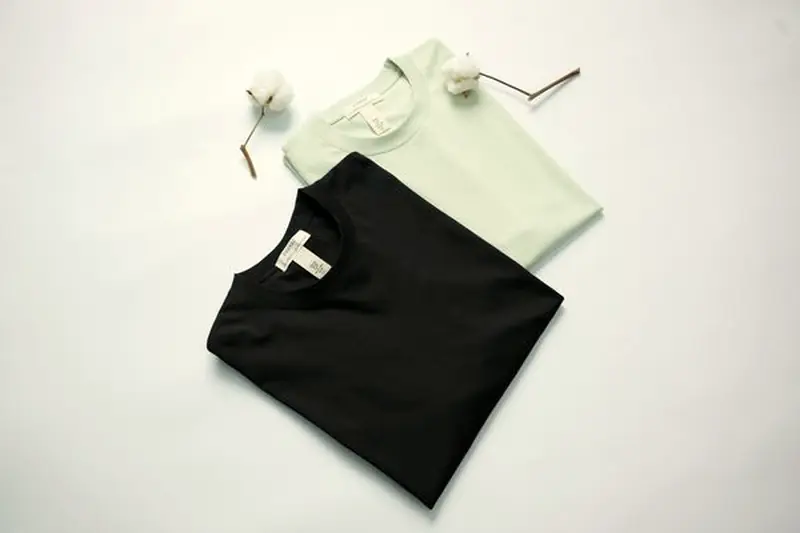
Upload designs to shirts, hoodies, and mugs via Printify + TikTok Shop or Etsy. Zero inventory cost. Your job is design + content; printing and shipping are handled for you.
4. A small digital product (3–8 weeks)
A planner, template pack, or 20-page guide solving one specific problem, sold on Gumroad or Etsy for $9–27. Slow to start, but it keeps selling while you sleep.
5. Faceless content (3–6 months — but it compounds)
The slowest first $100 and the best long-term asset. Ad revenue plus digital products stacked on the same audience is where real income comes from — see our faceless channel guide.
The honest ranking
Need money this month? Paths 1–2. Building an asset? Paths 3–5. Most people should run one of each: a fast path funding a slow path.
Worked example: stacking two paths to reach $100
Here is a concrete example — illustrative only, not a guarantee of what you will earn. Suppose in week one you list three things you already own: a sealed webcam you no longer need sells locally for $40, a spare keyboard sells for $25, and a bundle of unused cables and a mouse sells for $15. That is $80 from Path 1, with no upfront cost except your time and a public, daytime meetup spot.
In week two, you add one small freelance job from Path 2: cleaning up and captioning five short videos for a local creator for a flat $30. Your total is now $110, so you have crossed $100 in about two weeks in this example. Notice what made it work: neither path alone was relied on, the prices were specific rather than hopeful, and nothing required buying stock, ads, or a course first. Before you scale any path, read our breakdown of hidden side hustle costs so fees, taxes, and platform cuts do not quietly eat the profit you counted.
Compare the five paths side by side
| Path | Typical time to first $100* | Upfront cost | Best for |
|---|---|---|---|
| Selling items you own | Days to 2 weeks | $0 | Fast cash and decluttering |
| One freelance service | 1–3 weeks | $0–20 | Turning an existing skill into reviews |
| Print-on-demand | 2–6 weeks | $0 | Design ideas without inventory |
| Small digital product | 3–8 weeks | $0–15 | Building an asset that can resell |
| Faceless content | 3–6 months | $0–20/month | Long-term, compounding reach |
*Timeframes in this table are planning estimates based on consistent effort, not promises. Print-on-demand details, including how margins work on a $24.95 shirt where you might keep roughly $5–$8 after product and printing costs in an example sale, are covered in our print-on-demand guide. If a reusable planner, template, or checklist fits your skills better, start with our digital products guide instead, and price one simple product — for example $12 × 9 sales = $108 — rather than building a large catalogue nobody has asked for yet.
Your first two weeks, step by step
- List five owned items today with clear photos and honest descriptions.
- Pick one service you can deliver in under two hours and offer it in two relevant places.
- Put every dollar earned into a separate note or account so you can see the $100 build, not just spend it as it arrives.
- At $100, reinvest only a small, fixed slice — for example $20 — into the slower asset path you chose, and keep the rest.
Frequently asked questions
Which path is best if I have no skills and no spare items?
Start with a simple, learnable service such as captions, thumbnail help in a free design tool, or resume formatting, and learn it from free tutorials as you take a first low-priced job. Be honest that you are new, price the first job for a review, and deliver carefully — reliability is the skill most first clients actually pay for.
Do I need to register a business to earn my first $100?
Rules vary by country and by how much you go on to earn, so check your local requirements. In the United States, many people start as sole proprietors using their own tax details on the platform, but you should keep records of every payment and fee from day one and get proper tax advice once income becomes regular.
Should I quit a slow path if it has not paid in a month?
Not automatically. Selling and freelancing should show signals within weeks — views, messages, or a first small job. Digital products and content are slower by design. Judge each path by its own timeline in the table above, and only drop it if you have done the work consistently and still see no signal at all.
The fastest route to a first $100 is still a paycheck
Most paths above take weeks to pay anything. A first job pays on a schedule — and if you are new to the US, the Newcomer Resume Kit covers the application step: 3 ATS-friendly resume templates (office, skills-first, and hands-on), a fully worked example showing how to present experience from your home country, a cover letter template, and a step-by-step start guide. Edit in Word or free Google Docs. A template can’t promise you a job — but it can stop your resume from being filtered out before anyone reads it.
Get the Resume Kit — $12Get the free Budget Planner
One short, honest email a week with the newest guides and tools — plus the printable Budget Planner (a 50/30/20 worksheet and a 4-week spending tracker) as a welcome gift. No spam, unsubscribe anytime.
You’re in! Thanks for joining — your first email lands this week.
Your planner is ready — download it here